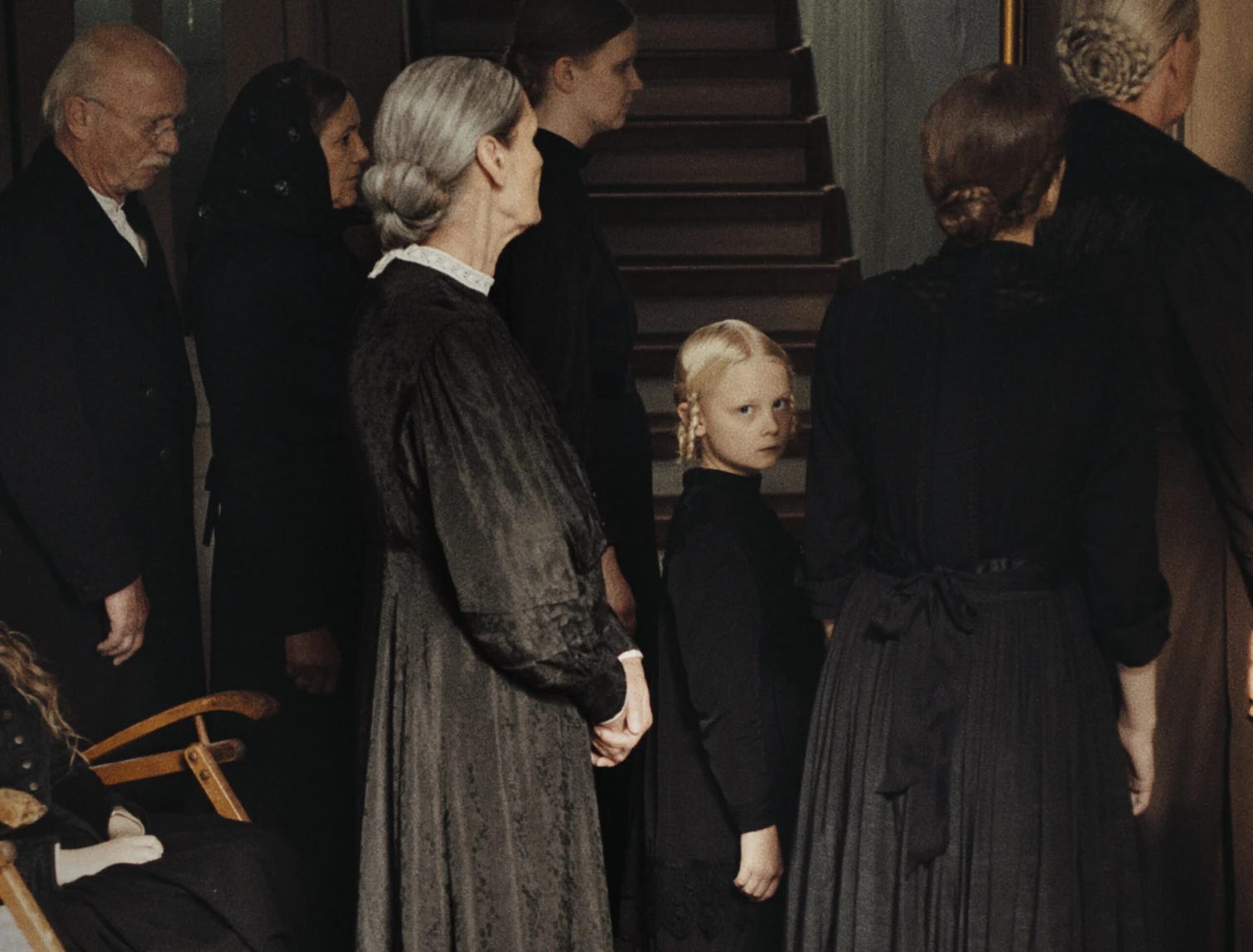
Every year, when Cannes announces their competition program, there is always a film that will draw me in solely with its poetic title. Last year it was The Seed of the Sacred Fig and Three Kilometres to the End of the World. This year, The Sound of Falling. Somewhat similar, only in title, to Anatomy of a Fall—this film presents us with an anatomy of an opaque family tree.
There’s a line from this year’s Palm d’Or winner that goes something like: “scream until your screams are etched on the walls of this room.” This German film explores how quiet suffering can get etched on the walls of a family home just as effectively as screams. Its thesis posits that trauma has somatic manifestations, it alters the very essence of our beings—our genetic code—and is endowed to posterity. The Sound of Falling is a homework kind of film, more precisely a film that warrants feeling its 149-minute run first and then thinking as the credits start rolling.
Told through four generations of women, Alma, Erika, Angelika, and Lenka, living on a farm in northern Germany, who occasionally narrate, we follow them from sometime before the First World War to present day, for roughly a century, in a non-traditional narrative style in which chronology is merely a suggestion.
There is a fair amount of falling in this film; some intentional, some forced, and some through the veil of time. It’s almost as if dwelling on a particular feeling or dissonance bridges past and present. But what does the sound of falling actually sound like? Unless witnessed, falling is very quiet occurrence; a parallel can be made with falling of trauma through generations and the tendency of patterns of abuse to persist.
Thinking about this film, it occurred to me that it represents the Petite Maman antithesis. Whereas the daughter of Petite Maman meets her maman when they’re both the same age and interacts with her without obstruction, the characters of The Sound of Falling only transcend time when they experience similar abuse and/or feelings.
In this film, generational trauma isn’t only passed to offspring. It lingers on the walls of the farm that are sturdy and corporal relative to the frail walls and windows between past and the future often felt by the four generations of women whose ancestral relationship is less clear than the patterns of abuse they all experience, one way or another.
Review published on Letterboxd on August 18, 2025 when it was screened in the Kinoscope section of the 31st Sarajevo Film Festival.
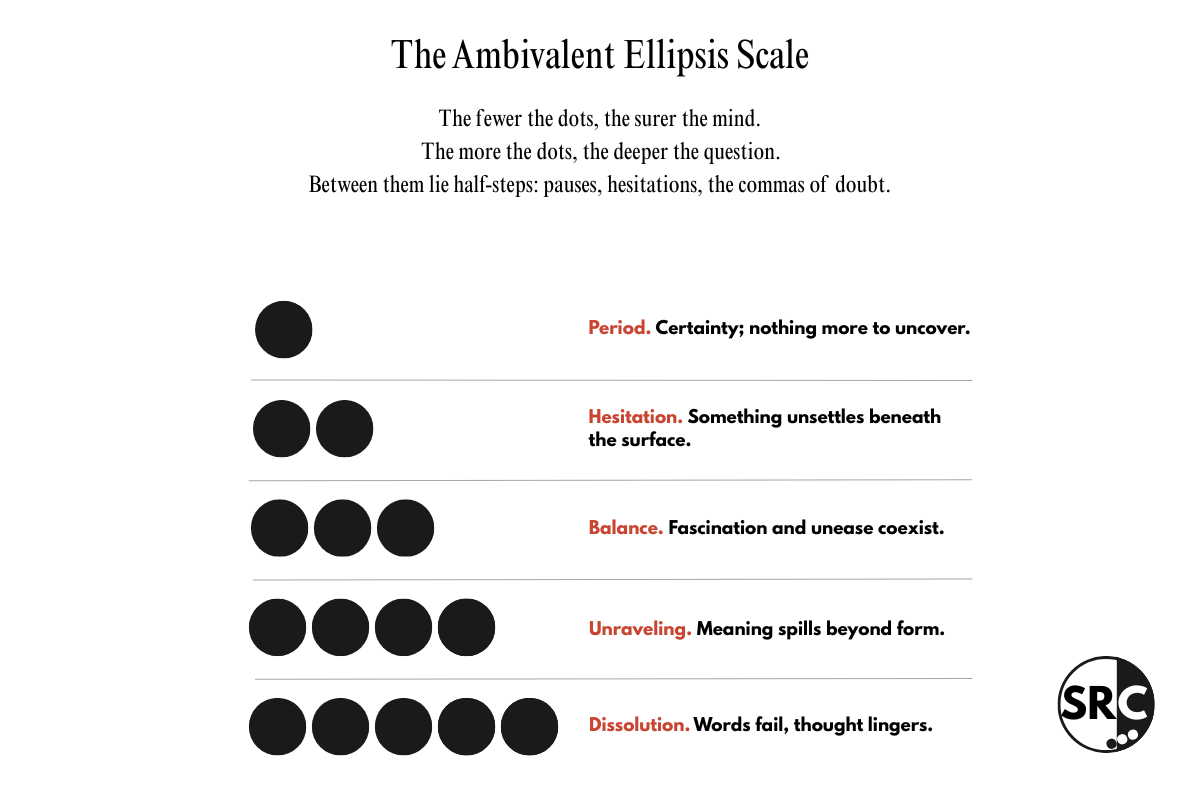
Rating: ⚫ ⚫ ⚫ 1/2