Gentle Monster (2026) | Review
Léa Seydoux stars in a disturbing examination of male monstrosity and denial.

All modern families fester in their own modern ways. In Gentle Monster, Austrian director Marie Kreutzer returns to the Croisette with a drama built around the grim discomfort of watching the unthinkable take shape in front of us.
Recent European cinema has not lacked for dramas that shatter the image of the perfect family and the modern father. The Slovak Venice Orizzonti title Father also turns on an atrocity committed by a father, though leaves some room, however troublingly, for the viewer to imagine the catastrophe from within. Gentle Monster is colder, more accusatory and impossible to enter. Kreutzer creates a monster and places him in the systems that soften male monstrosity once it has revealed itself.
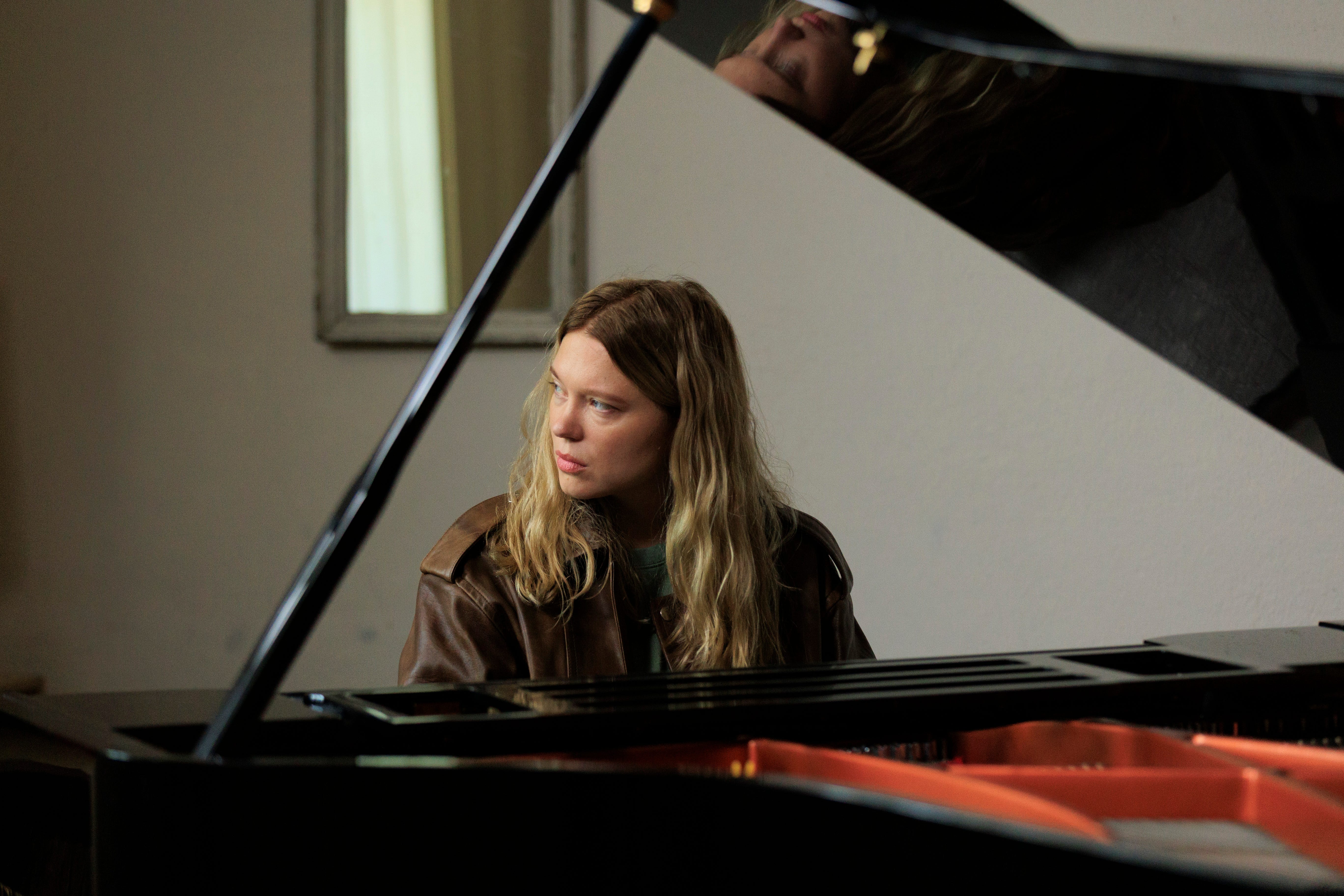
Philip Weiss (Laurence Rupp) appears, at first, like an ideal of contemporary masculinity. He is handsome, sculpted, established, a filmmaker recovering from severe burnout, after moving with his concert pianist wife Lucy (Léa Seydoux) and their young son Johnny to a fixer-upper house outside Munich. He Austrian, she is French, and their home moves easily between German, French and English. They seem like the picture of cultivated European bohemian comfort, complete with artistic careers, an active and affectionate sex life, and a lifestyle quietly cushioned by family wealth.
Kreutzer understands how such images protect men. Philip helps Johnny brush his teeth while they sing Coldplay’s “Yellow”, and the tenderness of the scene almost lets one overlook its disquieting details: Philip has just showered, his towel slips, and his nakedness around his child lands with queasy ambiguity. Yet Kreutzer also frames the moment with a deliberate emphasis on Philip’s physical confidence and desirability, presenting him as an unassailable image of masculine vitality. The drama’s early power lies in these small disturbances, moments that feel wrong before they can be named.
That wrongness soon becomes impossible to contain. As Lucy’s world unravels when Munich Police knock on their door with a warrant, she discovers that one cannot easily stop loving a monster, especially one who calls himself a gentle one. Seydoux gives Lucy a brittle intelligence and mounting helplessness. A mother is expected to be an explainer of the world to her child, she says to Johnny, yet is confronted with a world she can no longer explain even to herself.
What ensues is a guttural collapse of certainty. Beginning in the present before circling back into the family’s past after the revelations emerge, Gentle Monster forces earlier meek explanations to curdle in retrospect. The warmth, sensuality and ease the couple project at the outset no longer hold once revisited through the shifting perspective. Returning again to the present, Kreutzer leaves the viewer with the unsettling recognition that the signs were neither fully visible nor entirely invisible.
Austrian director’s gaze toward men is stark and unsparing, but Gentle Monster is not only about Philip. It also implicates the structures around him. Elsa Kühn (Jella Haase), a Munich special crimes officer involved in holding him accountable, carries her own private burden: a father with dementia who harasses and inappropriately touches his caretaker, Natalia. The point is blunt but effective. Men are excused, managed, softened, contextualized. Their violence is absorbed by women, by workers, by families, by systems designed to minimize rupture.
Early on, Johnny picks at the scab on his grazed knee and says it feels nice even if it hurts. The line becomes a bleak key to the film’s moral universe, where feeling, harm and explanation knot themselves together in ways the characters struggle to untangle.
Capped by an on-screen statistic that widens Philip’s atrocity into a European context, Gentle Monster argues that we can never fully know anyone. It is a blood-curdling premise, acted with precision and directed with control. Still, its severity cuts both ways. Kreutzer exposes the rot beneath the image of the perfect father, but does not entirely solve the question of whether subjecting us to this particular nightmare yields insight proportionate to the discomfort.
Gentle Monster had its world premiere at Cannes Film Festival, where it’s competing for Palme d’Or, on May 15, 2026.
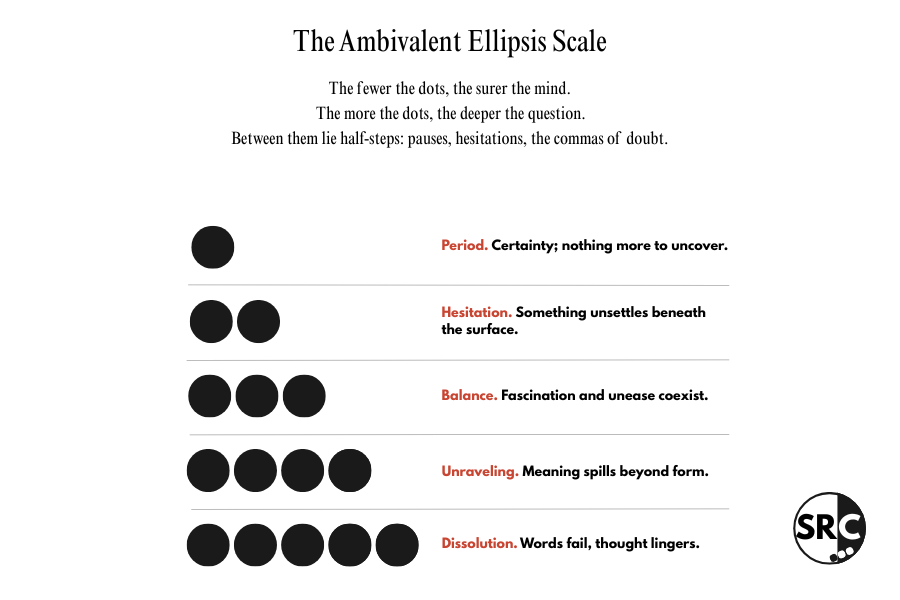
Rating: ⚫ ⚫ 1/2