Teenage Sex and Death at Camp Miasma (2026) | Review
Horror, spectatorship and gendered unease intertwine in Jane Schoenbrun’s most overtly cinematic work yet.

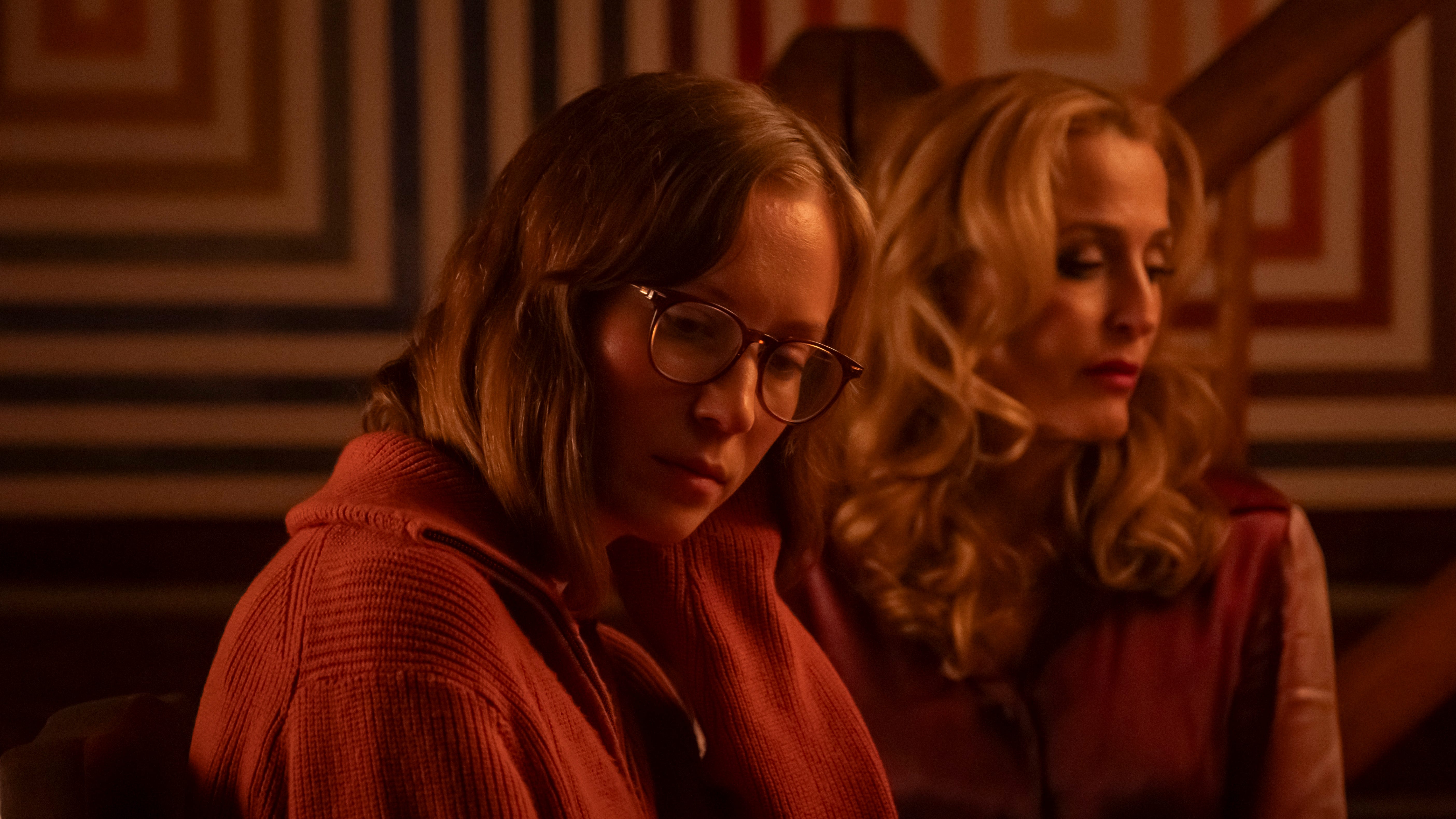
Jane Schoenbrun caps their media trilogy, which began with the online challenge unease of We’re All Going to the World’s Fair, moved to television screens in I Saw the TV Glow, and now culminates in a slasher-inflected plunge into Teenage Sex and Death at Camp Miasma. The throughline remains consistent: palpable yet tacit notes on gender dysphoria, identity, spectatorship and mediated selfhood. Schoenbrun does not disappoint with this latest entry, which, unlike the first two, arrives with Hollywood names, or at least television icons, at the top of the call sheet.
Hannah Einbinder plays Kris, a young writer-director who spent her childhood obsessing over the fictional Camp Miasma franchise, a series about a summer camp where a somewhat supernatural serial killer, Little Death, emerges from the bottom of a lake to slash horny camp counsellors. Gillian Anderson plays Billy, the reclusive star of the original film and the franchise’s final girl figure. Little Death, meanwhile, is sure to inspire more than a few Halloween costumes this October, with an HVAC four-way diffuser sitting ominously on their head.
Opening with scenes from a set before launching into a montage tracing the troubled history of the Camp Miasma franchise, which has been misguidedly rebooted, reset and dragged back to its original mythology more than once – Hollywood in a nutshell these days. The montage also shows how the sequels fell out of favor with critics, complete with acerbic pull quotes and caustic review titles. It will not be the last time critics are mentioned. Kris, having earned critical favor for her radical reimagining of Hitchcock’s Psycho from the point of view of the shower curtain, now gets her Hollywood chance by resurrecting Camp Miasma. Her hope is to bring Billy back with it.
Artifice is the language through which Schoenbrun announces the medium itself. Storyboards bleed into finished shots, painted backdrops are everywhere, and much of the film consists of us watching characters watch the original Camp Miasma, in which the younger Billy is played by Amanda Fix. Kris is the embodiment of the contemporary writer-filmmaker: someone who gets overly excited about split diopters and casually announces that she “feels there’s about to be a jump scare.”
As with Schoenbrun’s earlier work, there is plenty of surrealism, liminality and allegory here, which may not sit well with everyone. But it is difficult not to laugh at the dynamic between Anderson’s secluded, veganism-is-a-phase actress and Einbinder’s early Gen Z/late millennial filmmaker. Their performances complement each other beautifully: Einbinder brings her stand-up timing and social awkwardness, while Anderson adds another variation to a career that has already moved from The X-Files iconography to Hannibal’s psychiatrist and Margaret Thatcher, now arriving at a Southern-accented former scream queen.
As the title promises, there is sex and there is death, though both arrive with a certain evasiveness. Kris is in a polyamorous relationship with a woman who also spends time with a man named Thor, a name he does not quite live up to, while Einbinder and Anderson work their strange chemistry into something deliberately confusing. Death, too, is present but noncommittal, much like our polyamorous protagonist. Sitting in the Debussy theatre in Cannes, where the film premiered, I found myself thinking of a line from The Crown: “We’re being filmed watching television. People might watch us watching television on their own television sets at home.” I occasionally turned my head and saw Schoenbrun and the cast watching a film in which characters watch a film that is more than a film. As surreality takes over, the question becomes whether Kris is making a film about Little Death or is it the other way around.
Teenage Sex and Death at Camp Miasma had its world premier at Cannes Film Festival as the opening film in the Un Certain Regard Section on May 13, 2026.
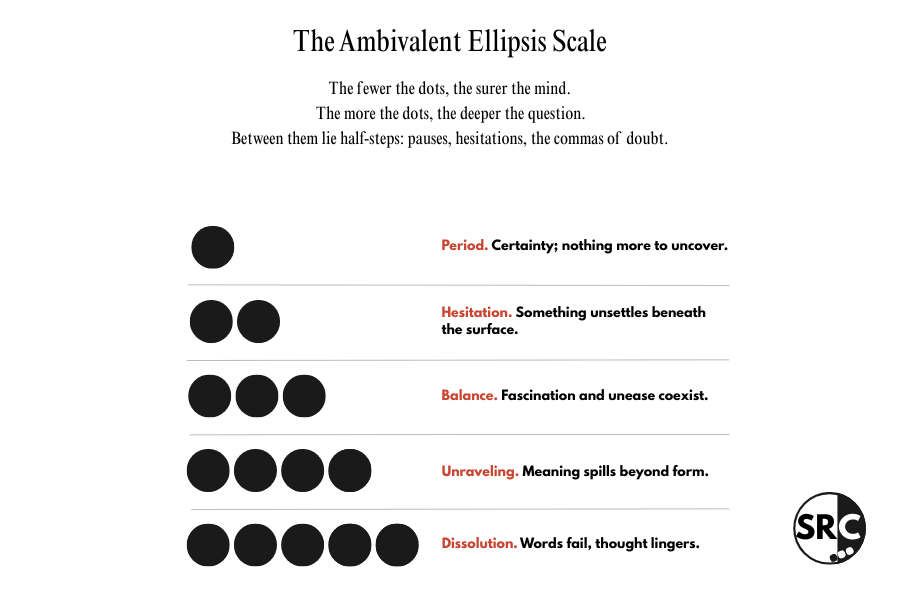
Rating: ⚫ ⚫ ⚫ 1/2