Mo (2022) | Series Review
Netflix’s flagship Muslim series captures the sorrow of a modern-day Muslim man stuck between laughter and the burden of exile.

Who would have thought that after Hulu’s successful flagship Muslim TV show Ramy, Netflix would want one of their own? Despite the actual Muslim world being in a state of disarray, filmmakers of the world’s second largest religion are united in grief, comedy, and their diverse yet steadfast commitment towards Palestine.
Whereas Ramy studies the gen Z character of its titular lead, Netflix’s Mo (short for Mohammed) shows us what it’s like to be a millennial Muslim man in the United States. That is, a Palestinian refugee who’s been seeking asylum for the majority of his life, that he spends living in Houston, TX with his mother and an older neurodiverse brother. There’s another caveat in this story; none of them are authorized to legally work in a country that has been their home for more than two decades.
Their predicament is exactly what the showrunners use as an inexhaustible source of misery-loves-comedy bits, sprinkled with very authentic albeit somewhat mirthful struggles of Muslims in the Judeo-Christian West.
However, as we laugh at some of the pickles Mo keeps finding himself in, we slowly realize that said predicaments are not his first and their recurrence is actually wearing him down to the detriment of his everyday life and well-being. I couldn’t help but liken Mo’s run-ins with the system (that constantly keeps gaslighting him) to that of the twins’ from Lemony Snicket’s A Series of Unfortunate Events. Only in his case, life really isn’t a conundrum as much as an impossible system and common sense is being passed for esoterica.
Mo’s biggest problem, however, is Mo. Not in the way of a character flaw, quite the opposite. In trying to stay consistent and loyal to core Islamic and Palestinian values, which are at odds with the contemporary West, Mo constantly has to choose between right and easy. This causes him grief, as it does to a lot of Muslim men, not only those in the US but any pluralistic society. Which is not to say that Mo’s character is flawless. He struggles to communicate, partly because he tries to shield loved ones from the weight of his emotions and the precariousness of their shared circumstances.
The concept of belonging and inclusion are also recurring themes in the show and Mo has his belonging challenged almost daily because of an immigration system so outdated that its paradoxes have become screaming behemoths. Too bad the behemoths are hidden in the dark corners of a 350-million people rave. This affiliation without inclusion ironically leads to a diverse community of accepting limbo-dwellers who sustain the show’s emotional texture. For the most part, they exist outside of the system, to the disadvantage of those that keep them there. We get to see this as the show occasionally introduces the main characters to ordinary Americans whose lives are improved without exception, if only infinitesimally, because of these interactions.
Like many Palestinians, Mo and his family have a story that is gut-wrenching and their wounds run deep, yet hate for the Israeli occupiers is not a part of their emotional lexicon; rage certainly, but never hate.
Good friends are there in Mo’s life and they are the everyday second-generation immigrants or waiting-to-be-Americans who seldom get enough spotlight in the mainstream television. More importantly, they are the witnesses of the Palestinian condition and its rich culture; you bet they know that hummus is Palestinian and not Israeli.
The show explores a range of modern-day afflictions such as addiction, inter-faith relationships, stigmatization of therapy and neurodiversity, and does so with such care and responsibility.
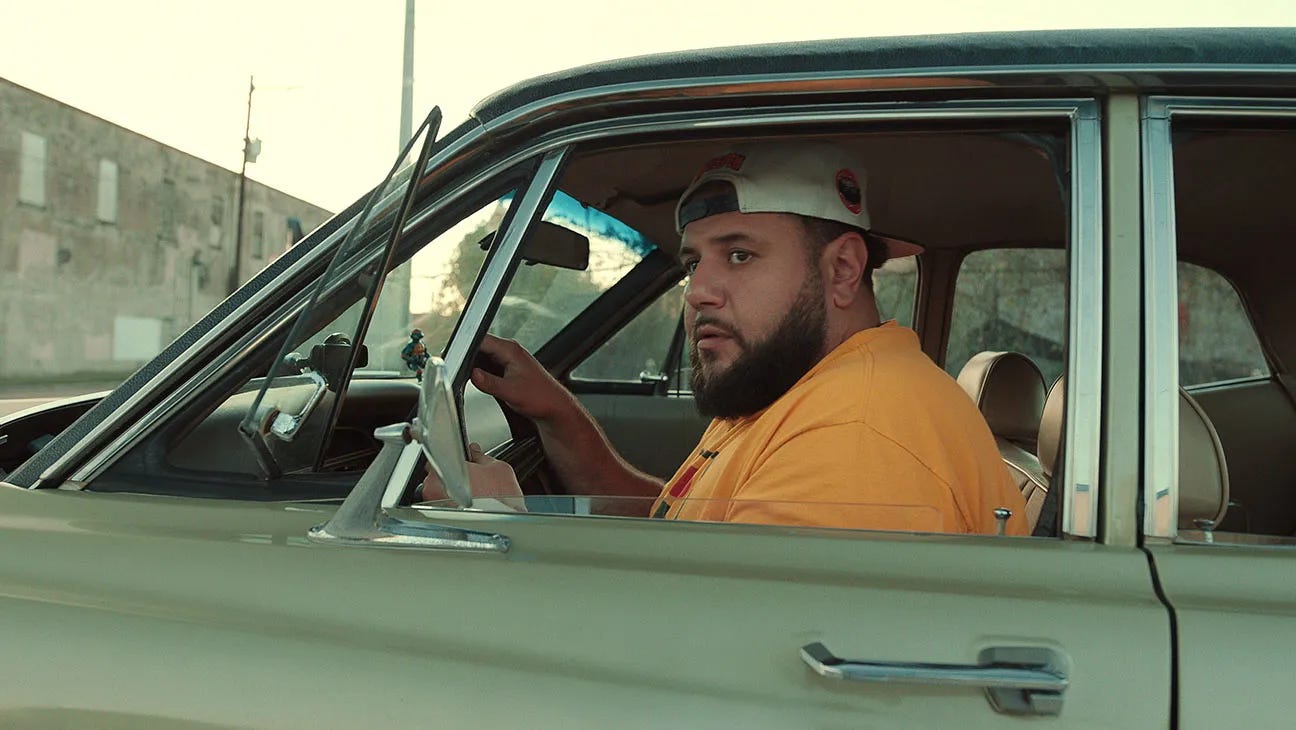
But none of this would work half as well were it not for the amazing performance of Mohammed (Mo) Amer who co-created the show with Ramy Youssef (yes of Hulu’s Ramy–there is a trend of these Muslim filmmakers creating and naming their shows and lead characters after themselves). Amer’s ability to write and embody the unrelenting sorrow of his protagonist is a testament to his talent but also a blueprint and a point of reflection for Muslim men everywhere.
What’s interesting in the case of both Mo and Ramy is that these shows explore characters who are at the opposite extremes of a center. This speaks to the restrictions still present in the making of media about Muslims–courtesy of Islamophobic attitudes in the West.
Lastly, do not go into this show expecting only laughs and good time. These are guaranteed, but not without some sorrow, especially when, in real life, Palestinians in Gaza are being exterminated and Palestinians in West Bank forcefully displaced from their homes. While I can guarantee that Mo will make you laugh, I can almost certainly guarantee it will make you sob too; especially in the series finale, which ends with the eve of October 6, 2023, just one day before the real-life events of October 7.
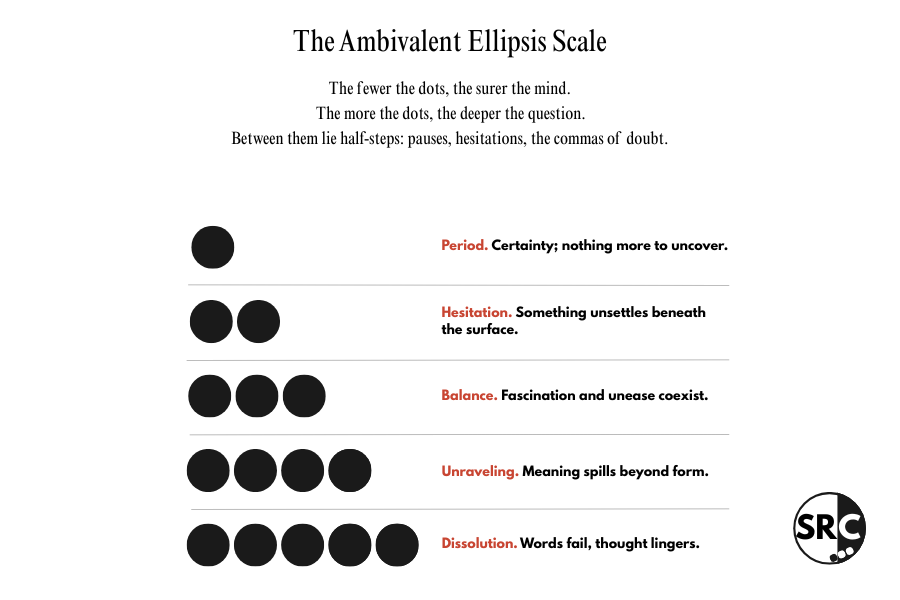
Rating: ⚫ ⚫ ⚫